Bullying vs. Teasing vs. Normal Conflict: How Parents Can Tell the Difference


Key Takeaways
Bullying, teasing, and normal childhood conflict aren't the same, and understanding the differences can help parents respond appropriately.
Bullying involves a power imbalance and repeated or potentially repeated aggressive behavior.
Teasing can become hurtful when a child feels embarrassed, targeted, or unable to make it stop.
Changes in mood, friendships, or school attendance may be signs that something is wrong.
Listening without judgment helps children feel comfortable sharing difficult experiences.
Child and family therapy can help children manage anxiety, rebuild confidence, and recover from harmful peer relationships.
Your child comes home from school quieter than usual. When you ask about their day, they shrug and say someone was being mean to them. Maybe a classmate made a joke at their expense, a friend excluded them from a game, or a group of kids laughed when they walked by.
You want to help, but you're not sure what you're dealing with. Was it an ordinary disagreement? Were the kids just teasing each other? Or is something more serious happening?
These situations aren't always easy to figure out. Friendships can be complicated, and children are still learning how to handle disagreements, understand boundaries, and treat one another with respect. Sometimes feelings get hurt along the way. Other times, what looks like harmless teasing may be part of a pattern that's affecting a child's confidence and sense of safety.
October is National Bullying Prevention Month, making it a good opportunity to talk about the differences between bullying vs teasing, and when kids are having . Knowing what to look for can help you understand what your child is experiencing, decide when to step in, and offer the support they need.
What Is the Difference Between Bullying, Teasing, and Normal Conflict?
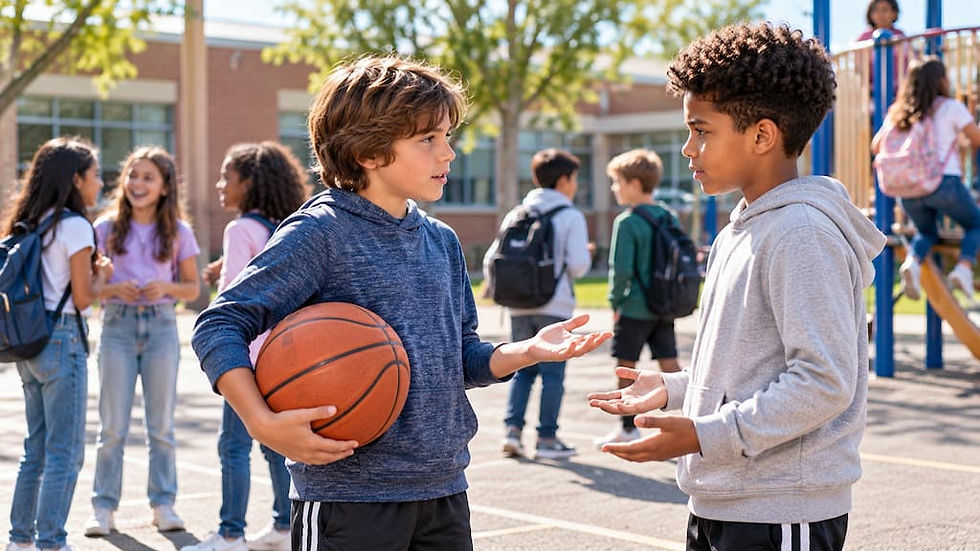
The biggest difference between bullying and normal childhood conflict is the relationship between the children involved. Conflict generally happens between children who have relatively equal power, while bullying involves someone using an advantage, whether physical, social, or emotional, to repeatedly target another child.
Teasing is a little more complicated. It can be a playful part of friendship when everyone enjoys the joke. But when one child becomes the regular target, feels embarrassed, or can't get the behavior to stop, it deserves closer attention.
According to StopBullying.gov, bullying is unwanted aggressive behavior among school-aged children that involves a real or perceived power imbalance and is repeated, or has the potential to be repeated, over time.
Here's a simple way to think about the differences:
Behavior | What It Looks Like | Example |
Playful teasing | Both children enjoy the interaction and feel comfortable speaking up | Two friends joking about their favorite sports teams |
Normal conflict | Children disagree, but neither has a significant advantage over the other | Two classmates arguing over whose turn it is to use a basketball |
Bullying | One child is repeatedly targeted or intimidated by someone with greater power | A group of classmates regularly humiliating another student |
Of course, real-life situations don't always fit neatly into categories. A single cruel comment can be deeply upsetting, even if it doesn't meet the definition of bullying. And a friendship that once involved harmless jokes can change over time.
Rather than focusing only on what to call the behavior, consider how often it's happening, whether your child feels able to respond, and how it's affecting them emotionally.
Bullying is unwanted aggressive behavior among school-aged children that involves a real or perceived power imbalance and is repeated, or has the potential to be repeated, over time. - StopBullying.gov
When Does Teasing Cross the Line Into Bullying?
Think about the way close friends sometimes tease each other. They might joke about a favorite television show, an unusual lunch choice, or who lost a game. Everyone laughs, and if someone gets uncomfortable, the teasing stops.
Now imagine a child who gets an embarrassing nickname at school. At first, it seems harmless. But soon, other classmates start using it, too. The child asks them to stop, yet the nickname continues, especially when there's an audience.
What started as a joke has become something very different.
Children don't always recognize when their behavior is hurting someone else. They may insist they were "only kidding" or believe that because everyone else was laughing, the joke was acceptable. But humor isn't really shared when one person consistently ends up feeling humiliated.
Parents can help children understand the difference by talking about a few important questions:
Does everyone seem comfortable with the teasing?
Can either child ask for it to stop without worrying about what happens next?
Is the same child repeatedly singled out?
Does one child have more social influence or control over the situation?
Does the teasing continue after someone has expressed discomfort?
Not every hurtful joke is bullying, but that doesn't mean it should be ignored. Children need to learn that another person's discomfort matters, even when hurting them wasn't the intention.
A useful lesson for children of any age is that if someone asks you to stop making a joke about them, you stop. Respecting that boundary is part of being a good friend.
A useful lesson for children of any age is that if someone asks you to stop making a joke about them, you stop. Respecting that boundary is part of being a good friend.
Bullying or Normal Childhood Conflict? Why the Difference Matters
Disagreements are part of growing up. Children argue about games, friendships, fairness, and who gets included in activities. These moments can be frustrating, but they also give children opportunities to practice communication, compromise, and problem-solving.
Imagine two friends arguing because one invited another classmate to sit with them at lunch. Both feel hurt, and each believes the other has been unfair. With some guidance, they may be able to talk about what happened and find a way forward.
Bullying is different because the children aren't necessarily on equal footing. One child may have greater physical strength, popularity, influence within a friend group, or access to information they can use to embarrass someone else.
This is why bullying isn't always obvious. A child doesn't have to be pushed or threatened to feel powerless. Being repeatedly excluded from group activities, having rumors spread about them, or becoming the target of humiliating messages can be just as concerning.
Understanding the difference helps parents choose the right response. For ordinary disagreements, children may benefit from learning how to express their feelings, listen to another perspective, and work toward a solution.
When bullying is involved, the priority is protecting the child and stopping the harmful behavior. Asking a child to simply work things out with someone who is intimidating them may not be appropriate, particularly when they already feel unable to stand up for themselves.
Children should learn how to handle disagreements, but they should also know that some situations require adult help.
Signs Your Child May Be Experiencing Bullying

Not every child comes home and says, "I'm being bullied." Some feel embarrassed about what happened. Others worry that telling an adult will make things worse, or they may assume nothing can be done.
Younger children sometimes struggle to explain what they're experiencing. Teenagers may be reluctant to discuss friendship problems, especially when social media or group dynamics are involved.
Instead, you might notice that something about your child seems different.
Some warning signs include:
Avoiding school: Asking to stay home more often, complaining about school, or becoming upset before leaving in the morning.
Changes in mood: Increased irritability, sadness, anxiety, or emotional sensitivity.
Pulling away from friends: Losing interest in social activities or spending more time alone.
Physical complaints: Frequent headaches, stomachaches, or difficulty sleeping.
Lower self-esteem: Making negative comments about their appearance, abilities, or worth.
Changes in online behavior: Becoming upset after reading messages or avoiding group chats and social media.
Missing belongings or unexplained injuries: Signs that may need further attention.
These behaviors don't necessarily mean bullying is happening. Children may respond similarly to academic stress, family changes, anxiety, or other difficulties.
What's important is noticing when something has changed and making room for a conversation. You know your child, and if they suddenly seem less confident, more withdrawn, or unusually reluctant to attend school, it's worth exploring what might be going on.
Try approaching the subject with curiosity rather than immediately assuming the worst. A gentle question about how things are going with friends may open the door to a conversation your child has been hesitant to start.
How Parents Can Talk to Their Child About Bullying
Hearing that someone has hurt your child can bring up strong emotions. You may feel angry, protective, or ready to call the school immediately. That's a natural reaction when someone you love is struggling.
But before deciding what to do, give your child a chance to tell their story.
Children are more likely to open up when they feel listened to rather than questioned or rushed toward a solution. You don't have to have all the answers right away. Sometimes, what your child needs most is to know you're taking their feelings seriously.
Instead of asking a series of yes-or-no questions, try starting with something open-ended:
"Can you tell me a little more about what happened?"
"Has this happened before?"
"How did you feel when they said that?"
"What happened after you asked them to stop?"
"Is there an adult at school you feel comfortable talking to?"
"What would help you feel better about going to school tomorrow?"
Try to avoid responses like "Just ignore them," "They're only joking," or "You need to toughen up." Even when meant to encourage resilience, these comments can leave children feeling that they're overreacting or that the situation is somehow their responsibility.
Instead, acknowledge what they're experiencing. You might say, "That sounds really hurtful. I'm glad you told me. We can figure out what to do together."
Younger children may find it easier to talk while drawing, playing, or doing something familiar. Older children sometimes open up during a car ride or while walking, when the conversation feels less formal.
What matters most is helping your child understand that they can come to you with difficult experiences, even when they're unsure how to explain them.
What Should Parents Do If Their Child Is Being Bullied?

Finding out that your child is being bullied can bring up a lot of emotions. You may feel angry, worried, or frustrated that someone is treating your child this way. Your first instinct might be to call the school or contact the other child's parents. But before taking action, it's important to understand what's happening and help your child feel supported.
StopBullying.gov, a federal bullying-prevention resource, emphasizes listening to children, reassuring them that bullying isn't their fault, and working together to find solutions that protect their safety. Its guidance also cautions parents against encouraging children to fight back or confronting the other child's parents directly, since these approaches can make the situation worse.
One of the most important things you can communicate to your child is that they don't have to handle the situation alone. Ask what happened, how often it's occurred, and whether there are particular places or situations where they feel uncomfortable. Let them know you're glad they told you and that you'll work together to figure out what comes next.
If the bullying involves classmates, reach out to a teacher, school counselor, or administrator. Share what you know, ask how the school plans to address the behavior, and follow up to make sure the situation improves. Keep a record of incidents and any communication with school staff, particularly if the behavior continues.
For online bullying, save relevant messages or screenshots and use reporting or blocking tools when appropriate. If your child has received serious threats or is in immediate danger, seek urgent help rather than waiting for the school's usual reporting process.
Helping Your Child Feel More Confident and in Control
While adults have an important responsibility to address bullying, children also benefit from feeling involved in decisions about their safety. That doesn't mean expecting them to solve the problem themselves. It means helping them identify trusted adults, recognize supportive friendships, and understand what they can do when a situation feels uncomfortable.
PACER's National Bullying Prevention Center offers a Student Action Plan Against Bullying that helps young people describe what's happening, think about what they want to change, and identify steps they can take with adult support. It's a helpful reminder that children deserve a voice in decisions affecting their lives.
Parents can build on this approach by asking their child what would help them feel safer at school. Perhaps they'd feel more comfortable having a trusted teacher check in with them, spending time with supportive friends, or knowing exactly whom to approach if another incident occurs.
Just as importantly, remind your child that being bullied doesn't say anything about their worth. Encourage activities and friendships that help them feel capable, included, and appreciated.
And remember to keep checking in. Even when the bullying stops, your child may still be working through feelings of embarrassment, anxiety, or uncertainty about their friendships. Your continued attention and reassurance can help them regain confidence and feel secure again.
When Should Parents Consider Child or Family Therapy?

Not every difficult friendship or bullying experience requires therapy. Many children work through these situations with support from their families, teachers, and friends.
But sometimes the emotional effects last longer than expected. A child may become increasingly anxious about school, withdraw from activities they once enjoyed, or begin expressing negative beliefs about themselves. Parents may also notice that conversations about friendships have become difficult or that their child seems reluctant to talk about what's happening.
These are situations where professional support may be helpful.
Child therapy provides a supportive environment where children can explore their feelings, understand difficult experiences, and develop healthier ways to cope. Depending on their age and needs, therapy may focus on managing anxiety, building self-esteem, communicating emotions, or developing confidence in social situations.
Family therapy and parent guidance can also help caregivers better understand what their child is experiencing and how to respond in ways that strengthen trust and connection.
At Love Discovery Institute, we understand that friendships and peer relationships can have a lasting influence on how children see themselves and relate to others. Our work with children and families focuses on understanding emotional needs, strengthening communication, and supporting healthier relationships.
If you're concerned about your child's emotional well-being, we invite you to connect with our team to learn more about counseling options and how we may be able to help.
Frequently Asked Questions About Bullying, Teasing, and Childhood Conflict
1. What is the difference between bullying vs. teasing?
Teasing can be playful when both children enjoy the interaction and feel comfortable asking the other person to stop. Bullying involves unwanted aggressive behavior, a power imbalance, and repetition or the likelihood that the behavior will happen again.
Teasing may become bullying when a child is repeatedly embarrassed, intimidated, or singled out by someone who has greater social or physical power. Even when behavior doesn't meet the formal definition of bullying, hurtful teasing deserves attention.
2. How can I tell if my child is being bullied or having a normal disagreement?
Normal childhood conflict generally involves children who have relatively equal power and are disagreeing about something specific. Although feelings may be hurt, both children usually have some opportunity to express themselves and work toward a solution.
Bullying involves a different dynamic. If your child is repeatedly targeted, feels intimidated, or believes they can't make the behavior stop, it may be bullying. Talking with your child and gathering information from trusted adults can help clarify what's happening.
3. Can teasing become bullying even if someone says they were joking?
Yes. When it comes to the topic of bullying vs. teasing, calling something a joke doesn't automatically make it harmless (teasing). When teasing repeatedly humiliates or intimidates a child and involves a power imbalance, it may be bullying.
Children sometimes don't recognize how their words affect others. Parents can help by teaching them to pay attention to another person's feelings, respect boundaries, and stop teasing when someone becomes uncomfortable.
4. What are the signs that my child may be experiencing bullying?
Possible signs include avoiding school, becoming withdrawn, changes in mood, sleep difficulties, frequent physical complaints, or negative comments about themselves. Some children also become upset after using social media or lose interest in friendships and activities they previously enjoyed.
These changes can have several causes, so they don't necessarily confirm bullying. If you notice a pattern, try opening a supportive conversation and asking how things have been going at school and with friends.
5. What should I do if my child tells me they're being bullied?
Start by listening calmly and letting your child explain what happened. Reassure them that you're glad they told you and that they don't have to handle the situation alone.
If the bullying involves school, contact a teacher, counselor, or administrator to discuss what happened and how it will be addressed. Document repeated incidents, develop a plan for your child's safety, and continue checking in about how they're feeling.
6. Can therapy help a child who has experienced bullying?
Yes. Therapy can help children process hurtful experiences, manage anxiety, rebuild self-esteem, and develop healthy coping and communication skills. It can be particularly helpful when bullying has affected a child's friendships, school attendance, or emotional well-being.
Child and family counseling can also help parents understand their child's needs and provide support at home. When bullying is ongoing, counseling should complement appropriate action by schools and other responsible adults to stop the harmful behavior.
Introduction
305-605-LOVE
 Author | DR. MAX RIV Dr. Max Riv is the co-founder of the Love Discovery Institute and a dedicated psychologist who offers expert guidance through the nuanced pathways of emotional and relational well-being. His balanced application of clinical knowledge and empathetic approach supports individuals and couples in their quest to strengthen their relationships and personal growth. Doctorate in Clinical Psychology | NLP Coach | Gottman Levels I + II | Certified Sex and Couples Integrative Therapist | Expert in Relationship and Intimacy Dynamics | Proficient in Psychodynamic, IFS, ACT, CBT, DBT | Affairs & Conflict Resolution | Psychological Assessments Click to book with Dr. Max Riv |