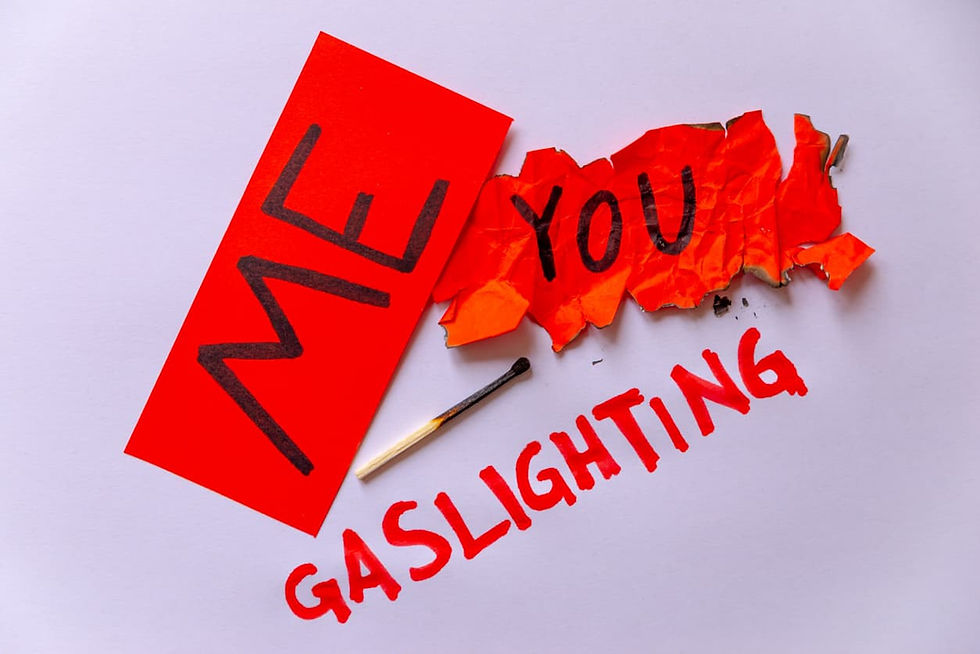
Gaslighting in Marriage: Warning Signs, Emotional Impact, and When Therapy Can Help


The Netflix film Gaslit by My Husband: The Morgan Metzer Story has brought renewed attention to a painful dynamic that can unfold behind closed doors: gaslighting in a marriage or intimate relationship. While this story reflects an extreme example of emotional abuse, many people experience a quieter version of the same pattern — one that slowly chips away at confidence, clarity, and trust in their own perceptions.
In therapy, we often work with individuals who feel confused, emotionally worn down, and unsure whether what they are experiencing is “serious enough” to name. Recognizing gaslighting is an important first step toward restoring emotional safety, rebuilding self-trust, and understanding what kind of support may help.
What Does It Mean to Be Gaslit in a Relationship?
Gaslighting is a form of emotional and psychological manipulation in which one person repeatedly causes another to question their own thoughts, feelings, memories, or interpretation of events. In a relationship, this often happens gradually. What may begin as denial, blame-shifting, or dismissive comments can develop into a deeper pattern of control.
A person who is being gaslit may start to wonder whether they are too sensitive, remembering things incorrectly, or overreacting. Over time, this can create a painful sense of self-doubt. The person may stop trusting their own instincts and begin relying more heavily on their partner’s version of reality. That erosion of self-trust is one of the most damaging effects of gaslighting.
How Gaslighting Often Shows Up in Marriage

Gaslighting in marriage is not always obvious. It can be subtle, repeated, and difficult to identify while you are living through it. In many relationships, it appears through patterns such as:
Denying conversations or events that clearly happened
Telling a partner they are “too emotional” or “too sensitive”
Rewriting arguments to shift blame
Trivializing concerns instead of addressing them
Refusing accountability and making the other person feel at fault
Isolating a partner from trusted family or friends
Creating confusion so the other person feels unsure of what is true
In a healthy relationship, both partners may disagree, misremember details, or have emotional reactions. Gaslighting is different because it follows a pattern. Its purpose is not resolution. Its effect is confusion, instability, and control.
Signs You May Be Experiencing Gaslighting
If you are wondering whether you are being gaslit in a relationship, it may help to pause and notice how the relationship has been affecting your emotional well-being. Some common signs include:
You regularly question your memory or perception
You apologize often, even when you are not sure what you did wrong
You leave conversations feeling confused or emotionally disoriented
You feel like your concerns are repeatedly dismissed
You hesitate to bring things up because you expect to be blamed
You feel less confident in your judgment than you used to
You increasingly rely on your partner to define what is “real”
Many people experiencing gaslighting also describe feeling as though they are “walking on eggshells.” They may know something feels wrong but struggle to explain it clearly. That uncertainty does not mean your experience is invalid. In fact, confusion is often part of the pattern.
The Emotional Impact of Gaslighting

Gaslighting can have a deep effect on emotional and mental health. When someone repeatedly tells you that your reality is inaccurate, it can leave you feeling anxious, self-critical, and disconnected from your own inner voice.
Over time, gaslighting may contribute to:
Chronic self-doubt
Anxiety and hypervigilance
Sadness or depression
Low self-esteem
Difficulty making decisions
Emotional exhaustion
Isolation from support systems
In therapy, we often see how gaslighting affects not only a person’s relationship with their partner, but also their relationship with themselves. A person may begin to second-guess their feelings, dismiss their own needs, or minimize what they have been through. Healing often begins by restoring that internal trust.
Why Gaslighting Can Be Hard to Recognize
One of the reasons gaslighting is so difficult to identify is that it rarely starts in an extreme form. It often develops slowly and can be mixed with affection, apologies, or moments of connection. A partner may be caring one day and deeply invalidating the next. That inconsistency can make it harder to see the full pattern.
Many people also stay in a confusing relationship because they want to believe the best in their partner, protect the marriage, or avoid conflict. In long-term relationships, there may be shared history, children, finances, or emotional dependence that complicate the situation. These realities can make it harder to step back and evaluate what is happening clearly.
Can Couples Therapy Help?

This is an important question, and the answer depends on the nature of the relationship dynamic.
Couples therapy can be helpful when both partners are willing to be honest, accountable, and committed to healthier communication. In some relationships, harmful patterns develop over time and can be addressed when both people are motivated to understand their impact and make meaningful changes.
However, couples therapy is not always the right first step when there is ongoing emotional abuse, coercive control, intimidation, or fear. When one partner is actively gaslighting the other, therapy can become unproductive — or even unsafe — if the abusive behavior is not acknowledged. In those cases, individual support is often the better starting point.
A licensed therapist can help assess whether couples therapy is appropriate or whether a more protective approach is needed first.
How Individual Therapy Can Help After Gaslighting
For many people, individual therapy provides a safe and steady place to begin making sense of the relationship. Therapy can help you:
Identify patterns of manipulation more clearly
Reconnect with your own perceptions and emotions
Reduce shame and self-blame
Set healthier emotional boundaries
Understand the impact of the relationship on your mental health
Make thoughtful decisions about next steps
Therapy is not about telling you what to do. It is about helping you regain clarity, strengthen your sense of self, and move forward with greater emotional safety and confidence.
Steps to Take if You Think You Are Being Gaslit
If you suspect you are experiencing gaslighting in your marriage or relationship, these steps may help:
1. Name what you are noticing
You do not need to have everything figured out before taking your experience seriously. If a pattern of confusion, blame, denial, and self-doubt keeps showing up, it deserves attention.
2. Write things down
Journaling incidents, conversations, or how you felt after certain interactions can help you track patterns more clearly and stay grounded in your own experience.
3. Reconnect with trusted support
Gaslighting often thrives in isolation. Speaking with a trusted friend, family member, or therapist can help restore perspective and validation.
4. Pay attention to emotional safety
Notice whether you feel safe expressing yourself in the relationship. If fear, intimidation, or emotional retaliation are present, that is significant.
5. Seek professional help
Working with a therapist can help you sort through what is happening, understand the impact on your mental health, and decide what support you need.
Healing Is Possible
If you have been gaslit in a relationship, you may feel unsure of yourself right now. That does not mean you are weak, and it does not mean your instincts are gone. It means you may have been living in a dynamic that has made it harder to trust what you know and feel.
Healing often begins with small but meaningful steps: naming the pattern, receiving validation, and rebuilding confidence in your own inner reality. Whether you pursue individual support, couples therapy, or another form of care, the goal is not just to reduce distress. It is to restore clarity, dignity, and emotional safety.
If this topic feels personal, you do not have to sort it out alone. Support can help you better understand your relationship, protect your well-being, and begin moving toward a healthier future.
Frequently Asked Questions
1. What does it mean to be gaslit in a relationship?
Being gaslit in a relationship means someone repeatedly causes you to question your own memory, judgment, or perception of events. Over time, this can lead to confusion, self-doubt, and difficulty trusting yourself.
2. What are the signs of gaslighting in a marriage?
Common signs include frequently apologizing when you are unsure why, questioning your memory, feeling confused after conversations, and hearing your concerns dismissed as “too sensitive” or “not real.”
3. Is gaslighting a form of emotional abuse?
Yes. Gaslighting is a form of emotional and psychological abuse because it undermines a person’s sense of reality and can create fear, dependence, and loss of self-trust.
4. Can couples therapy help with gaslighting?
In some cases, couples therapy may help address unhealthy communication and relational patterns. However, when there is ongoing emotional abuse, coercive control, or fear, individual support and safety planning may be the more appropriate first step.
5. How does gaslighting affect mental health?
Gaslighting can contribute to anxiety, low self-esteem, depression, emotional exhaustion, and a persistent sense of confusion. Many people begin to doubt their instincts and feel disconnected from their own judgment.
6. What should I do if I think I am being gaslit?
Start by paying attention to patterns, documenting incidents if it feels safe, and talking with a trusted therapist or support person. Professional support can help you sort through what is happening and decide on the next best step.
7. Can a relationship recover after gaslighting?
Recovery depends on the severity of the behavior, whether there is genuine accountability, and whether emotional safety can be restored. In many cases, healing begins with clarity, boundaries, and professional support.
305-605-LOVE
 Author | DR. CAROLINA PATAKY As the co-founder of the Love Discovery Institute, Dr. Carolina Pataky stands at the forefront of sexology and relationship therapy. With her expertise as a Clinical Sexologist, Licensed Marriage & Family Therapist, and Certified Sex Therapist, she is devoted to guiding individuals and couples toward the pinnacle of personal fulfillment and relational harmony. Licensed Marriage & Family Therapist | Doctorate in Clinical Sexologist | Certified Sex Therapist | Creator of H.I.M. & Love Discovery Methods | TV/Radio/Web Personality | Gottman Levels I, II, & III | Imago Couples Therapy | Infidelity Expert | Blogger, Coach, and Therapy Enthusiast Read Full BioClick to join Dr. Carolina Pataky's Waitlist Book Her Team Now |